
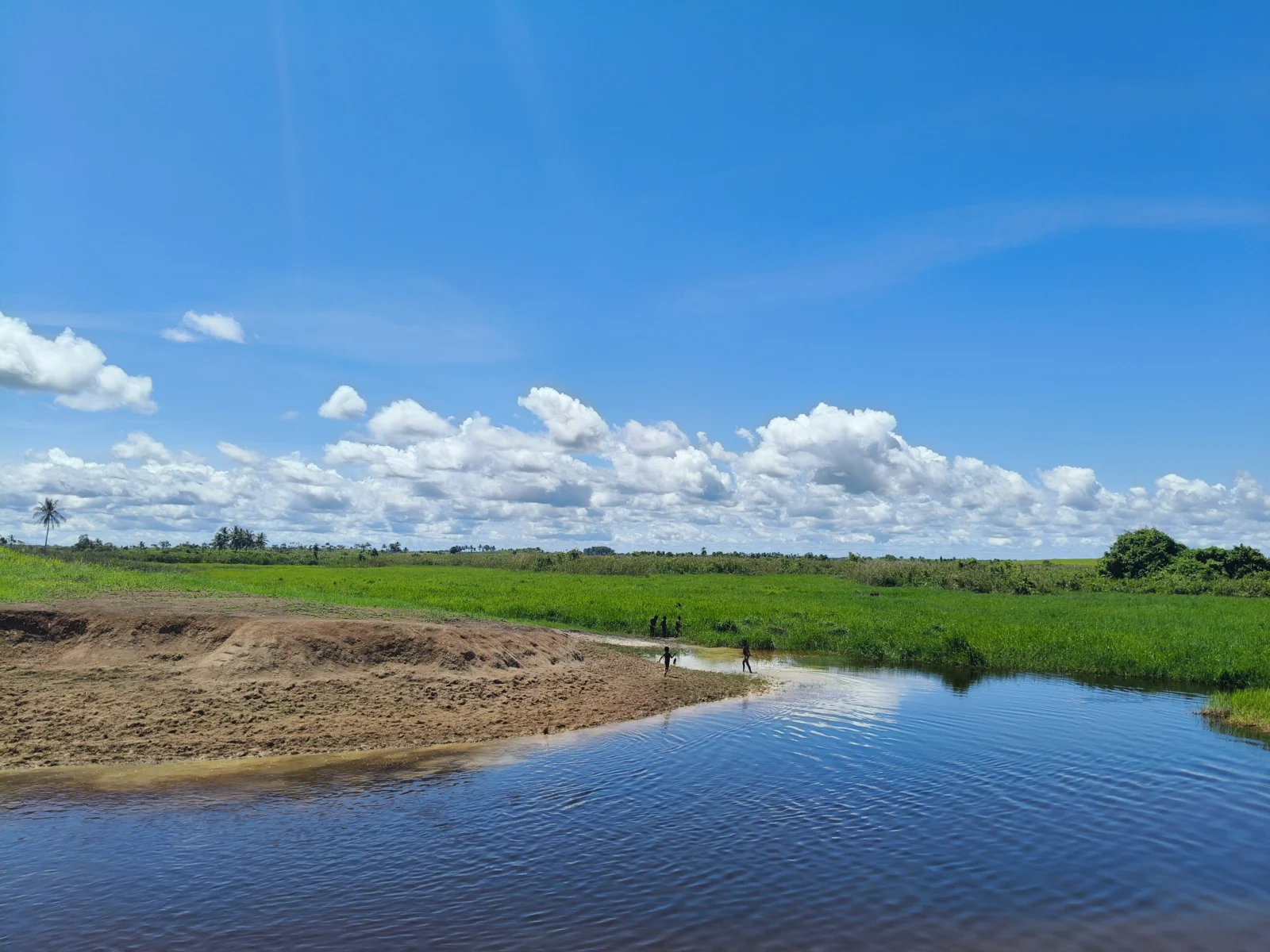
MCH Patrol to Kotale
The MCH patrol to Kotale was an important outreach activity aimed at improving access to essential maternal and child health services for families living in a remote community. In many rural and hard-to-reach areas, mothers and young children face serious barriers to healthcare, including long travel distances, poor road conditions, limited transport, and shortages of trained health workers. A patrol such as this helps bridge that gap by bringing critical services directly to the people who need them most.
Kotale, like many isolated communities, depends on periodic health patrols for preventive care, health education, and early identification of medical concerns. The patrol focused on supporting pregnant women, mothers with infants, and children under five years of age. It also created an opportunity for health workers to engage directly with the community, understand local challenges, and strengthen trust between families and the healthcare system.
Purpose of the Patrol
The main goal of the MCH patrol to Kotale was to deliver maternal and child health services in a setting where regular clinic access is limited. These services are essential for reducing preventable illness and death among women and children. The patrol was also designed to reinforce the importance of routine care, encourage healthy practices, and identify individuals who needed referral for more advanced treatment.
Maternal and child health patrols play a major role in community-based healthcare. Rather than waiting for patients to travel to a distant health facility, the outreach team takes services into villages, making care more accessible and more acceptable. In Kotale, this approach allowed health workers to reach families who may otherwise have delayed or missed important checkups and immunizations.
Preparation and Planning
Before the patrol began, careful planning was necessary to ensure that the visit would be effective and well organized. The health team reviewed the expected population size, available supplies, transport arrangements, and the specific needs of the Kotale community. Coordination with local leaders and community representatives was also essential, as their support helped mobilize families and inform them about the patrol date and available services.
Preparation included gathering medical supplies, immunization materials, antenatal care equipment, growth monitoring tools, patient registers, and health education resources. The team also ensured that medications such as vitamins, deworming tablets, and basic treatments for common conditions were available. Good preparation is especially important in outreach settings because once the team arrives at a remote location, replacing forgotten items can be difficult or impossible.
Journey to Kotale
The journey to Kotale was itself a reminder of why outreach patrols are so necessary. Remote communities are often separated from health facilities by rough terrain, rivers, steep tracks, or roads that become difficult during wet weather. Travel may take several hours, and in some cases teams must continue on foot after vehicle access ends. These conditions can discourage routine healthcare visits, particularly for pregnant women, mothers carrying infants, or families with sick children.
Despite these challenges, the patrol team made the trip with a clear sense of purpose. Reaching Kotale meant that women and children would receive timely care without needing to make a long and costly journey. It also demonstrated the commitment of health workers to serve all communities, including those in the most difficult locations.
Services Provided During the Patrol
The MCH patrol to Kotale offered a range of core services focused on prevention, early detection, and education. These services are fundamental to improving health outcomes and reducing complications among mothers and young children.
- Antenatal care: Pregnant women were assessed for general wellbeing, fetal growth, danger signs, nutritional status, and blood pressure where possible. Health workers discussed the importance of regular antenatal visits, safe delivery planning, and recognizing signs that require urgent medical attention.
- Immunization: Children received routine vaccinations according to the national immunization schedule. Immunization protects children from serious diseases and is one of the most effective public health interventions in remote communities.
- Growth monitoring: Infants and young children were weighed and assessed to track growth and identify signs of undernutrition or poor development. Mothers were advised on feeding practices and the importance of continued monitoring.
- Nutrition education: Families received guidance on breastfeeding, complementary feeding, maternal nutrition, and the use of locally available foods to support healthy growth.
- Family planning counseling: Women and couples were provided with information on birth spacing and contraceptive options. This service supports maternal health and helps families make informed decisions.
- Health education: Community members were educated on hygiene, sanitation, malaria prevention, childhood illness, and when to seek medical help.
- Basic treatment and referrals: Minor illnesses were managed on site where possible, while patients with more serious conditions were referred to a higher-level facility for further care.
Community Participation
One of the most encouraging aspects of the patrol was the participation of the Kotale community. Mothers brought their children for weighing and immunization, pregnant women attended antenatal consultations, and local leaders helped organize the gathering and promote attendance. Community involvement is vital for the success of any outreach activity because it ensures that services are used and that health messages are shared more widely.
Health patrols also provide a valuable forum for discussion. Families can ask questions about pregnancy, child feeding, illness prevention, and treatment options in a setting that feels familiar and less intimidating than a hospital. These conversations help address misconceptions, strengthen health knowledge, and empower caregivers to make better decisions for their families.
Challenges Encountered
Although the patrol achieved its objectives, it was not without challenges. Outreach work in remote areas often involves limited time, difficult logistics, and high patient demand. In Kotale, the team may have faced issues such as transport delays, weather-related obstacles, supply constraints, or the need to manage many patients within a short period.
Another challenge in maternal and child health outreach is follow-up. Some conditions require repeated review, ongoing treatment, or facility-based care. When communities are far from health centers, ensuring continuity of care can be difficult. This highlights the importance of regular patrol schedules, strong recordkeeping, and collaboration with community health volunteers or local support networks.
Impact of the Patrol
The impact of the MCH patrol to Kotale extended beyond the services delivered on that single day. Every child vaccinated, every mother counseled, and every pregnancy assessed contributed to better health outcomes for the community. Early detection of health problems can prevent complications, and timely education can change behaviors in ways that improve family wellbeing over the long term.
The patrol also reinforced the principle that healthcare should be inclusive and equitable. Remote communities should not be left behind simply because of geography. By bringing care to Kotale, the health team helped reduce disparities and showed that preventive and primary healthcare can be effectively delivered even in challenging settings.
Lessons Learned
Several important lessons can be drawn from the MCH patrol to Kotale. First, outreach services remain essential in areas where fixed health facilities are difficult to access. Second, community engagement is a critical factor in successful service delivery. Third, good planning and adequate supplies are necessary to maximize the value of each patrol visit. Finally, regular follow-up and strong referral systems are needed to support patients whose needs go beyond basic outreach care.
These lessons can help improve future patrols by encouraging better coordination, stronger monitoring, and more responsive service delivery. They also highlight the need for sustained investment in maternal and child health, especially in underserved populations.
Looking Ahead
The MCH patrol to Kotale was more than a routine outreach visit; it was a meaningful effort to protect mothers, support children, and strengthen community health. Continued patrols will be important for maintaining immunization coverage, monitoring pregnancies, promoting nutrition, and identifying health concerns before they become severe.
Going forward, there is a strong case for expanding and strengthening patrol programs like this one. With consistent support, outreach teams can continue to deliver life-saving services, improve health awareness, and build healthier communities in places where access to care remains limited. Kotale stands as an example of why maternal and child health outreach matters and why such efforts should remain a priority.
Conclusion: The MCH patrol to Kotale demonstrated the value of taking healthcare directly to remote populations. Through antenatal care, child immunization, growth monitoring, nutrition counseling, and health education, the patrol addressed immediate needs while laying the foundation for better long-term health. In communities where distance and isolation create barriers, outreach patrols are not just helpful—they are essential.